Expert-led project delivery

Data, automation
and AI projects in days.

Zipdata delivers your unified data, process automation, and agentic transformation projects through one configurable workspace. We bring the expertise; the platform removes the infrastructure and headcount it usually takes to put AI to work.

Explore Solutions

Why Zipdata exists

Getting value from your data should not mean rebuilding everything from scratch.

Most teams need a unified story of their data first, then automation, and eventually agents that help run the workflow. The need is clear; the old way of delivering it is what makes it slow, expensive, and hard to scale.

A scattered data stack

Your operational data is split across spreadsheets, exports, source systems, BI tools, and inboxes. Nothing is connected, so every question becomes a manual reconstruction.

Manual data preparation

Spreadsheets, exports, source systems, and documents need cleaning, joining, validation, and refresh logic before anyone can trust the numbers.

A disjointed experience

Reports, dashboards, generated documents, and customer updates live in separate places, so your leadership and teams never get one coherent view of the operation.

Automation rebuilt every time

Invoice generation, document processing, scheduled reporting, alerts, and writebacks each need the same scaffolding rebuilt: triggers, secrets, retries, storage, logs, and delivery.

Expensive specialist capacity

Real progress needs analysts, engineers, automation builders, and app developers. Hiring them internally or buying them through consulting is slow and expensive.

Hard to scale

When every initiative is assembled from scratch, the knowledge stays in people and scattered infrastructure. Growing the operation means growing the operational burden.

The Zipdata model

Three project types. One workspace platform. Delivery in days.

Zipdata unifies everything behind your data, automation, and AI work into one place. Your project starts in a workspace, then activates the capabilities it needs: data, automations, feeds, groups, tools, and agents.

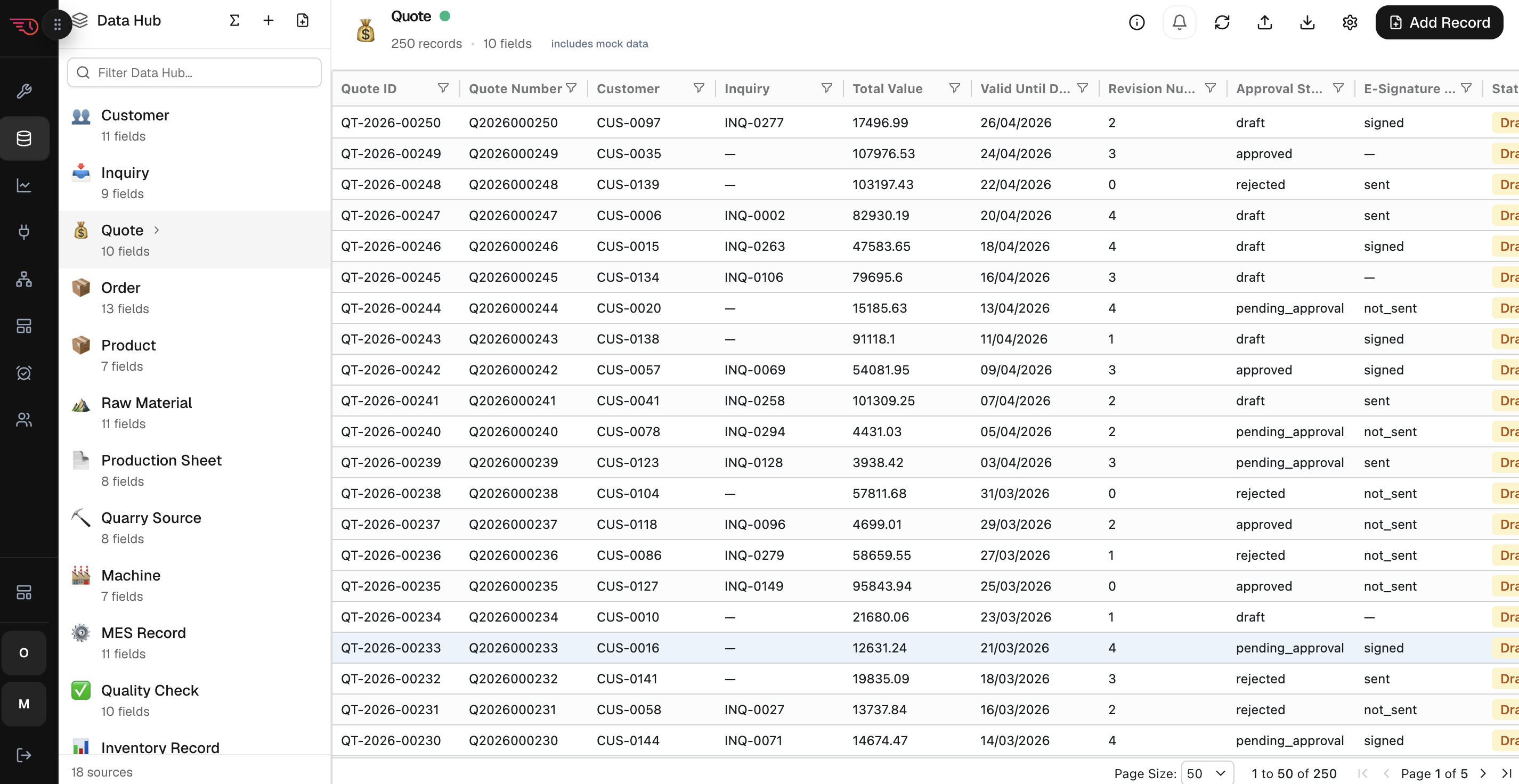
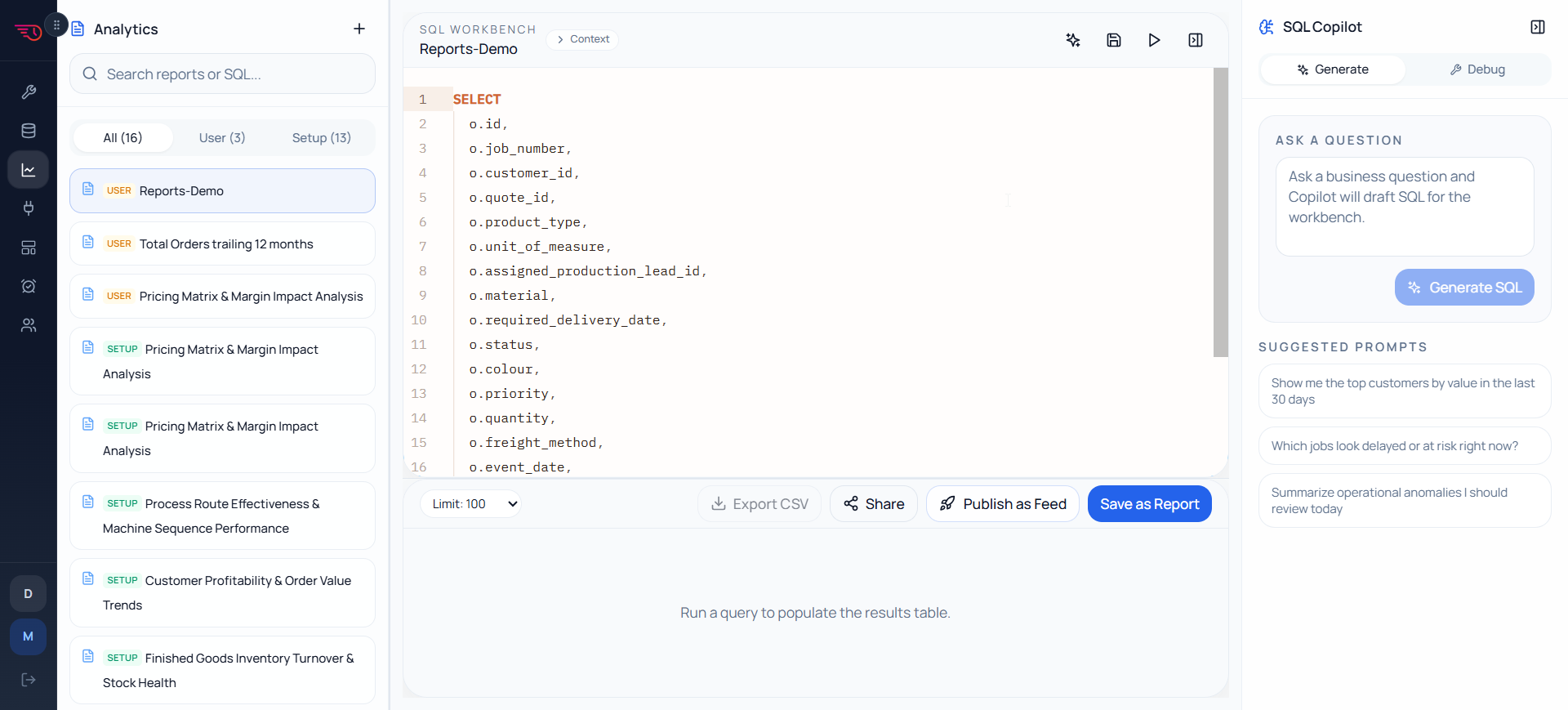
Unified Data & Intelligence

Workspace Studio · Setup

One governed data story for the business

We shape the entities, KPIs, queries, dashboards, and feeds that let you see your operation from one connected workspace instead of scattered spreadsheets and systems.

Days 1–3

Scoped brief, typed schema, starter analytics, and first feed path.

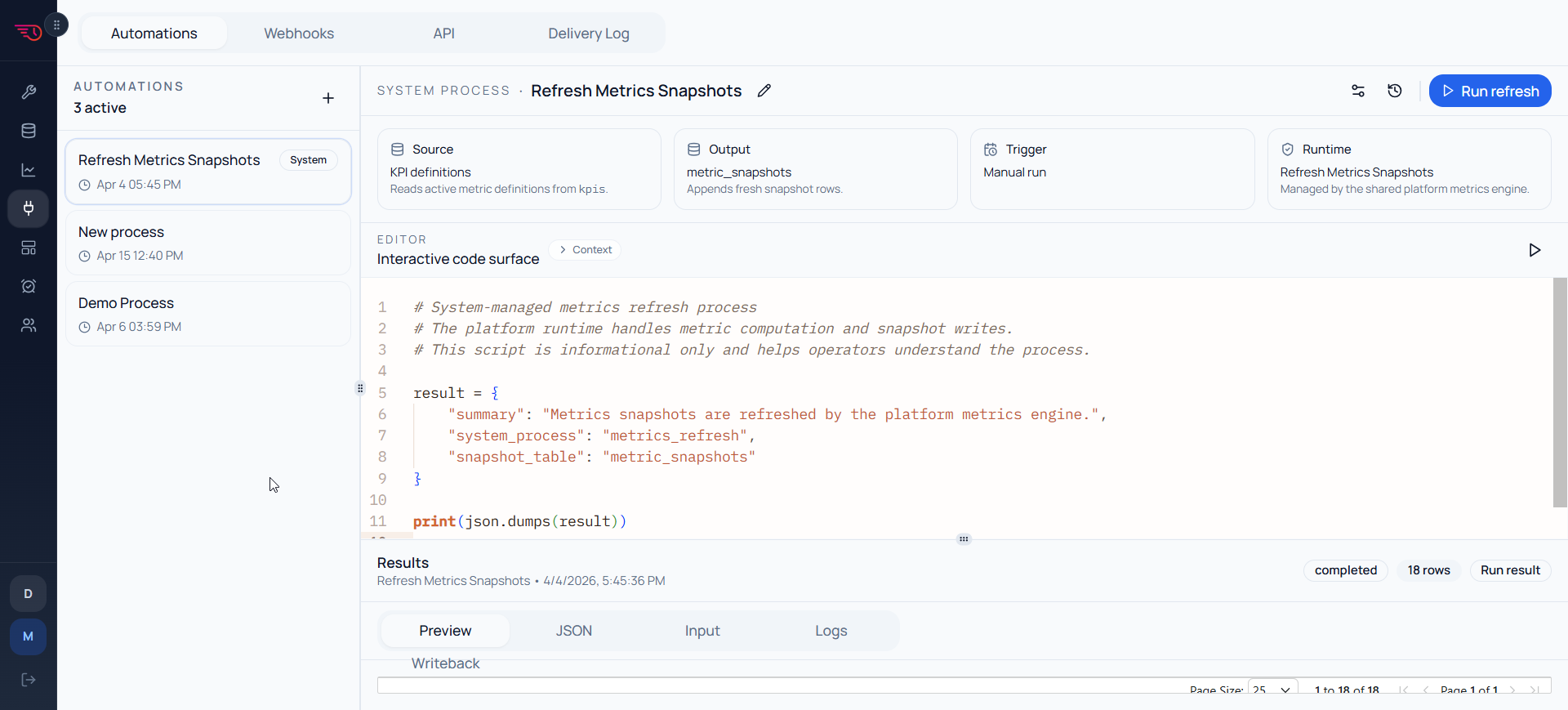
Process Automation

Automations · Sources

Repeatable workflows without rebuilding plumbing

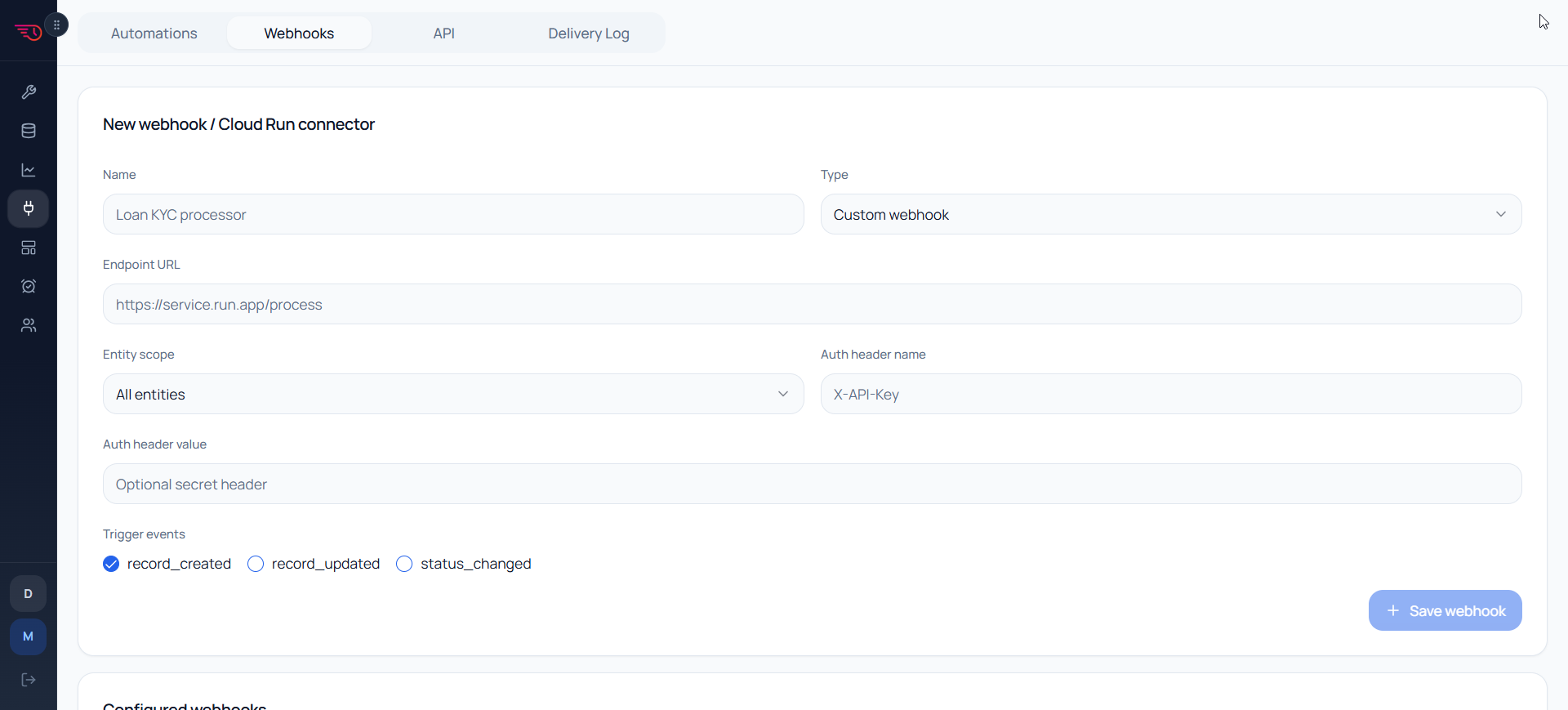
Automations handle imports, scheduled jobs, document processing, invoice generation, enrichment, emails, writebacks, and run history in the same project environment.

Week 1

Live pipelines and operational outputs, with logs and retries in one place.

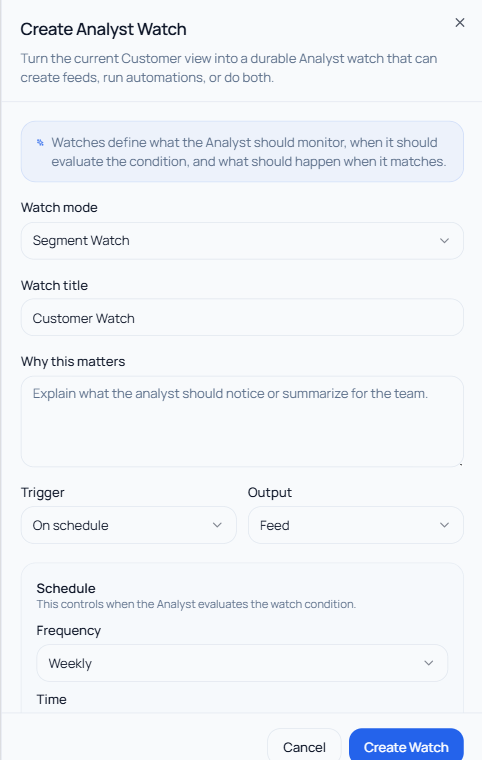
Agentic Transformation

Agents · Tools · Feeds

Agents that act from workspace context

Agents use the workspace data, tools, feeds, and approval rules to monitor conditions, draft outputs, queue actions, and help your team operate with more autonomy.

Progressive

Starts governed; expands as the workflow and data mature.

Workspaces

Workspace Runtime

One container for the whole project

Each workspace houses the schema, data, automations, feeds, groups, tools, agents, schedules, and audit history for your project. It replaces infrastructure that would otherwise be rebuilt from scratch.

Day 1

A governed environment exists before custom delivery begins.

Feeds & Groups

Feed Studio · Groups

Personalised outputs for each audience

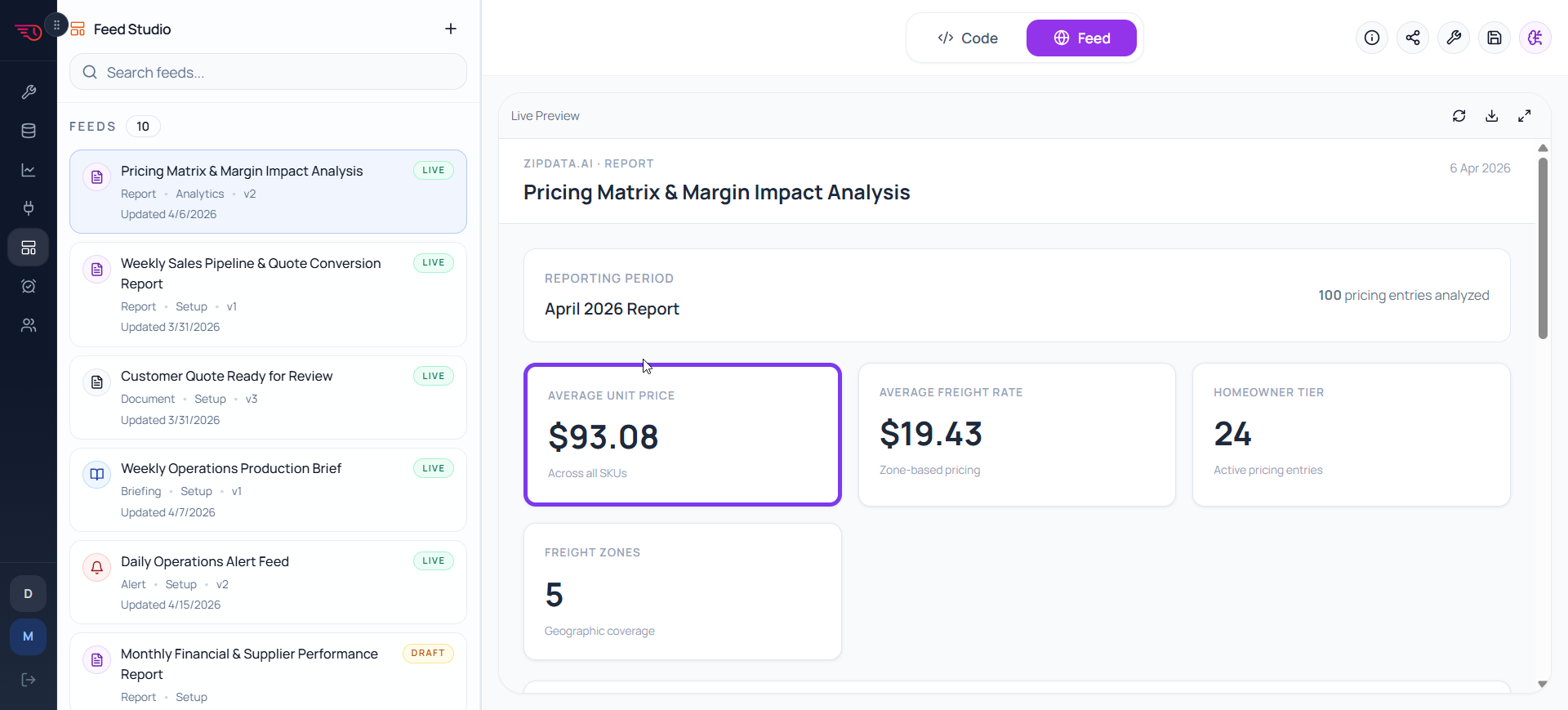
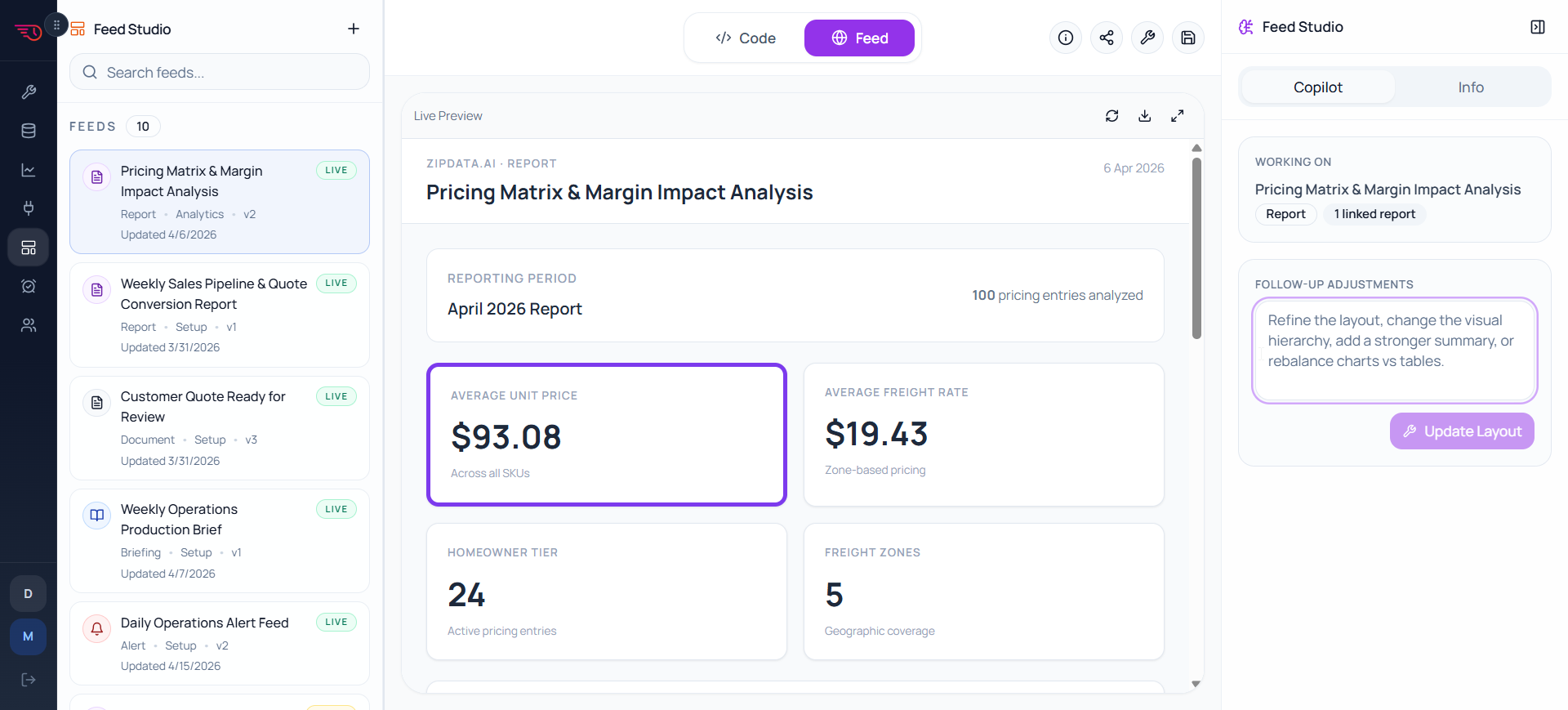
Feeds turn workspace data into briefings, dashboards, reports, alerts, statements, documents, customer updates, and scorecards. Groups decide who receives which output.

Always useful

The client UX is delivered, scheduled, and shareable.

Agents & Tools

Agents · Tool Library

Execution support without losing control

Tools give agents controlled reach into the stack. Approval tiers keep consequential actions governed while low-risk work can be drafted or executed automatically.

Evolves over time

The workspace can move from intelligence to automation to agentic operation.

Configured delivery means expert work still matters, but the infrastructure is never rebuilt from scratch: the workspace carries the data model, automation substrate, feeds, delivery groups, tools, agents, schedules, and audit trail — so the speed and savings reach you.

What this looks like in practice

Three project paths, each with a concrete starting point.

Not everyone starts in the same place. You may need a unified data story, repeatable automation, or be ready for agentic execution. Zipdata uses the same workspace spine to support each maturity level.

Unified Data & Intelligence

A scattered operation gets one live story

Orders, inventory, dispatch, payments, and customer commitments live across spreadsheets and source systems.

What goes live
  • Workspace

    Entities, KPIs, queries, and connected records shaped around the client project.

  • Analytics

    Trend monitoring, dashboards, reports, and saved questions built from the same schema.

  • Feeds

    Leadership and operating groups receive briefings, dashboards, and exception alerts.

What you get

You stop reconciling the business by hand and start from a shared, current view.

Process Automation

Repeatable work runs without custom plumbing every time

Invoices, customer updates, documents, recurring reports, and data refreshes each need triggers, logs, storage, and delivery.

What goes live
  • Automations

    Scheduled jobs, document processing, invoice generation, enrichment, and writebacks.

  • Tasks

    One task spine monitors schedules, runs, failures, and next execution windows.

  • Feeds

    Generated documents, statements, reports, and updates are sent to the right groups.

What you get

The automation becomes part of the client workspace instead of another one-off script to maintain.

Agentic Transformation

Agents help the workspace act from context

Once the data and workflow are stable, you want the system to notice conditions, draft actions, and support follow-through.

What goes live
  • Agents

    Role-scoped programs monitor workspace data and decide what needs attention.

  • Tools

    Granted actions let agents draft messages, update records, trigger workflows, or call external systems.

  • Governance

    Approvals keep customer-facing, financial, or material actions under human control.

What you get

The project evolves from visibility and automation into a governed operating layer.

Our edge

Consulting depth, platform speed, a workspace you keep.

We understand your operation, configure the workspace, connect the data, build the automations and outputs, then expand toward agents when the workflow is ready. Strategy does not stop at a deck — it becomes a running workspace you own.

Discover the real workflow

We map the sources, entities, metrics, exceptions, approval rules, and audiences before anything gets configured.

Deploy one governed workspace

The PRD becomes typed data, feeds, automations, groups, tools, and agent programs inside one operating layer.

Operate, measure, and expand

Agents watch live records, deliver intelligence, queue follow-through, and leave a history the next workflow can build on.

Traditional consulting

Strong discovery, but the output often becomes decks, recommendations, and a handoff your team must turn into systems.

Point SaaS

Faster setup, but usually around one standard workflow, with your data, governance, and follow-through split elsewhere.

Custom build

Flexible, but each project rebuilds its own data plumbing, app layer, automations, storage, delivery, and monitoring.

Start with one project

Map the first workspace around a real client need.

We will identify whether the first engagement is unified data, process automation, or agentic transformation, then map the workspace, feeds, automations, and next-step path around it.